Wildfire smoke in Idaho: prepare a room before you need it
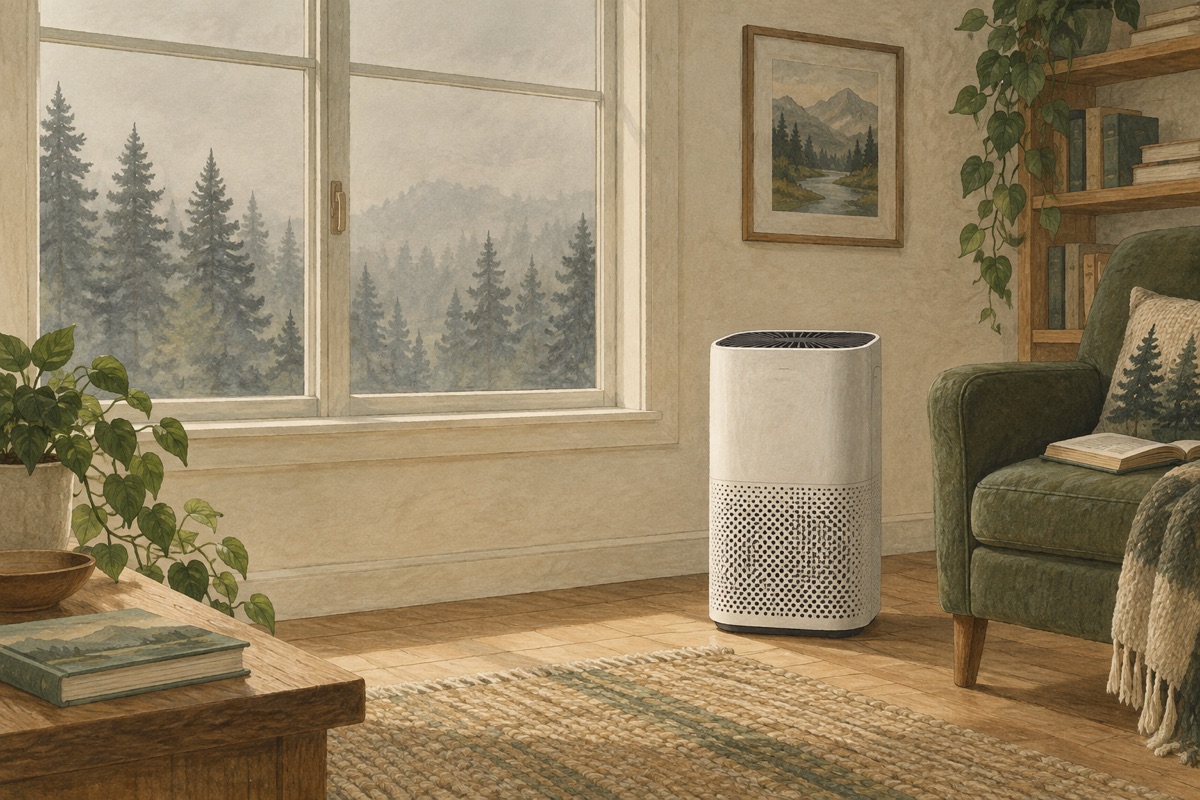
Smoke preparation is easier when you can still open the windows. Choose where you would spend a smoky afternoon, find the filter model your equipment takes, and decide where you could go if the house becomes uncomfortable. Those small decisions are harder to make once the air outside has changed.
Bookmark Idaho’s smoke information
The Idaho Department of Environmental Quality links current air-quality information, smoke forecasts, and the Idaho Smoke Blog from its wildfire smoke page. Use those sources for current conditions rather than an old article or a photograph of the sky. This guide is a preparation checklist, not a live smoke report.
Keep local evacuation information separate from air-quality information. An air-quality reading helps with smoke exposure decisions; it is not permission to remain in an evacuation area. Save your local emergency office’s page through the Idaho county and tribal directory.
Choose a room and check the equipment
EPA recommends a room large enough for the household, with windows and doors closed while preserving a safe exit. Use a room-sized portable air cleaner that does not produce ozone, running it continuously at the highest setting you can tolerate. Avoid adding particles through candles, smoking, or frying food. EPA cleaner-air room guidance.
Check the model number and filter availability now. Photograph the label or write it on your supply list; “the white purifier” is not much help when ordering a replacement. Place its instructions with your household emergency paperwork and follow the manufacturer’s clearance requirements.
If using central heating or cooling, ask whether a higher-efficiency filter is compatible with your system. EPA discusses MERV 13 or higher filtration and recommends consulting an HVAC professional when needed. A filter that does not suit the equipment is not an improvement merely because its rating is higher.
Plan for heat and power loss as well as smoke
A closed room must remain safe to occupy. EPA advises considering another place to stay if you cannot keep cool, electricity fails, or too much smoke enters. People with heart or lung conditions should discuss a smoke plan with their healthcare provider.
Write down one realistic alternative place to go, how you would get there, and whether pets could come. Check availability during the actual event; do not assume a public building is operating as a cleaner-air shelter. Keep the travel bag accessible rather than unpacking it into the room.
Keep evacuation preparations ready
Idaho’s wildfire guidance recommends planning evacuation routes, gathering essential supplies and documents, and following official local updates. Idaho wildfire preparedness. Follow evacuation instructions promptly; a cleaner-air room does not protect a building from an approaching fire.
Our household preparedness guide covers the contact list and portable supplies that support this plan. Add a short smoke-specific note: which room, which filter, where the spare is stored, and who needs help relocating. Keep those details practical enough that another household member can use them without explanation.